Marike Blok-Sijtsma, lecturer in Practical Theology at VIAA in Zwolle, published an article based on her research among members of a women’s fellowship in Zambia. The article, “Wearing Christ: A Lived Theology of the Uniform among Reformed Women in Zambia”, was published in African Journal of Gender and Religion (open access). Below is the abstract of the article.
The uniform: a lived theology
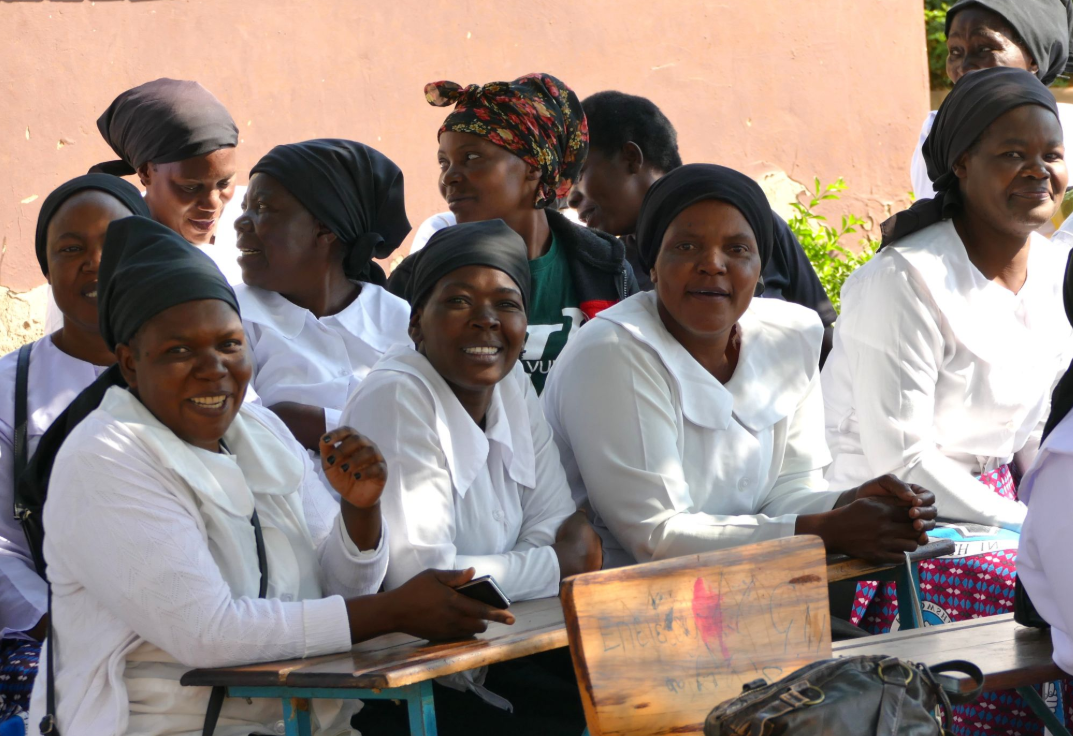
Members of African ecclesiastical women’s organisations can be recognised by a special uniform they wear during meetings, Christian holidays, and designated Sundays. This uniform, and its wearing, can be considered a kind of religious practice that carries theological meaning. Often, this practice reflects a lived theology shaped by women’s everyday life experiences, rather than a formalised theology. This article teases out women’s lived theology of the uniform based on empirical research (observations, interviews, focus groups) from one women’s fellowship, the Chigwirizano cha Azimai of the Reformed Church in Zambia.
Embodiment of the faith
The article illustrates how the uniform is not simply a symbol of membership but, rather, a significant embodiment of the faith and religious identity of the members of the women’s fellowship. It represents the core doctrines of the Christian faith, a commitment to a holy lifestyle, and a divine calling to be a light in a dark world. It also reminds the wearers to stand firm in a world full of socio-economic challenges, patriarchy, and spiritual warfare. For some, it acts as a shield, protecting them against temptation and evil powers.
Marike Blok-Sijtsma, lecturer in Practical Theology, taught at Justo Mwale University in Lusaka, Zambia (2018-2023). Currently, she is lecturing at VIAA – Christian University for Applied Sciences and pursuing a PhD at Utrecht University.
In the picture above, we see women in their fellowship uniform during their revival meeting in August 2022 (Chalimbana).